
Top 10 Portable Ozone Machines for Cleaner Air and Odor Removal
2026-09-13
Tired of stale air and stubborn odors that just won't budge? Portable ozone machines are becoming the go-to fix for freshening up any space without bulky equipment. In this roundup of the top 10 models, we zero in on options that balance power with portability, and one name keeps surfacing: LUFUTATECH. Their compact designs deliver serious odor-neutralizing punch, making clean air feel effortless. Curious which device earned the top spot? Dive in and find your perfect match.
When a Spray Just Won't Cut It
When your countertops only have a light dusting, a quick spray-and-wipe feels effortless. But baked-on grease around the stovetop, crusty hard-water rings in the sink, and months of soap scum on shower doors laugh at that fine mist. The product evaporates before it can soften anything, leaving you to scrub harder than you should.
Gel and cream cleaners change the equation because they stay put. They cling to vertical tile and glass, giving active ingredients time to dissolve the bond between grime and surface. Paired with a non-scratch pad or a handheld steamer, even stubborn residue lifts away without a dozen passes.
The same logic applies to fabric and upholstery. A quick spray can push a stain deeper into fibers and backing, especially with red wine or pet accidents. Blot gently first, then switch to an extraction cleaner or targeted solvent that pulls the mess up instead of spreading it sideways.
What 'Portable' Actually Means for Your Back Seat
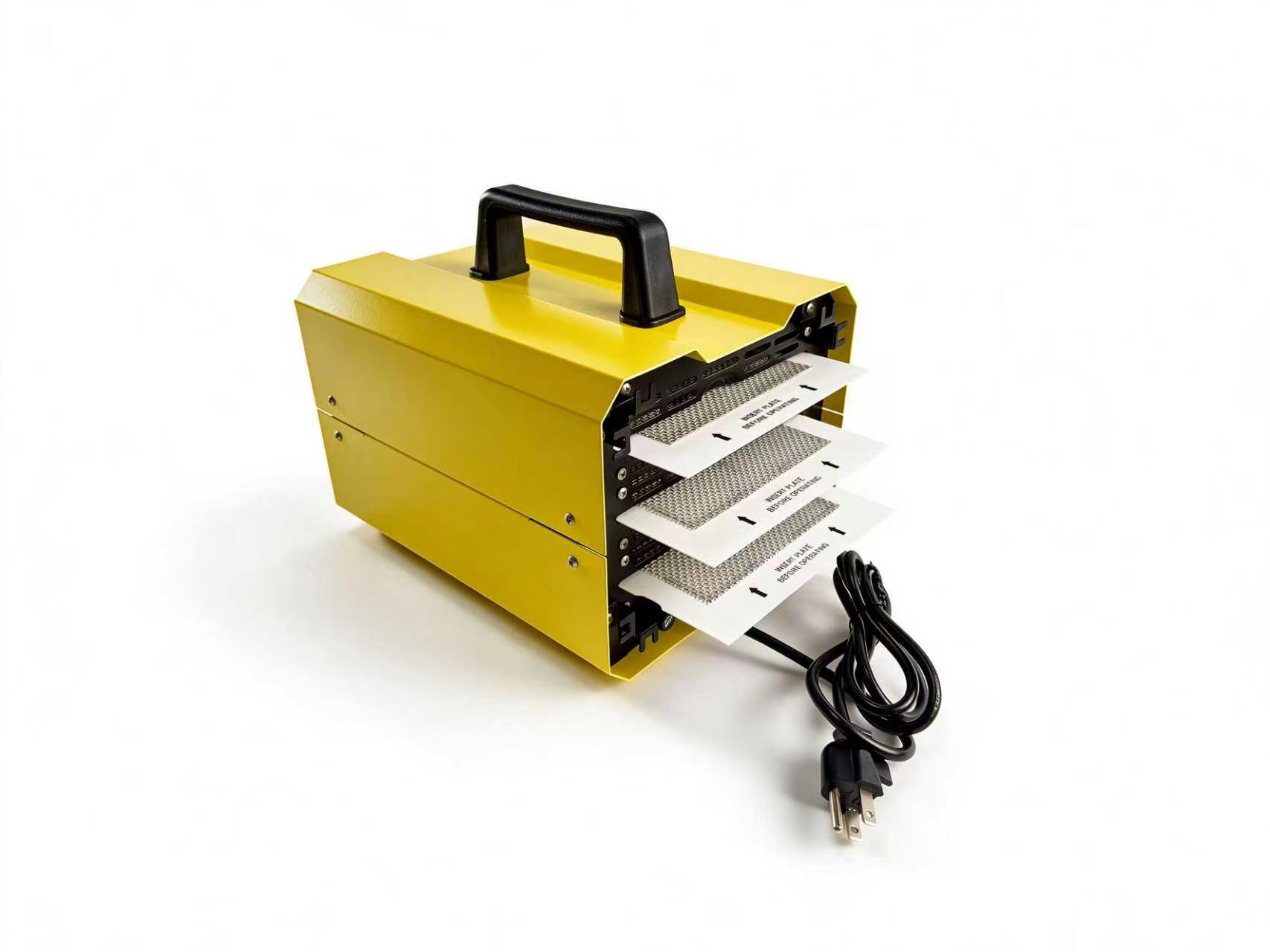
People toss around the word “portable” as if it only means “has a handle.” In a back seat, though, portable demands more. It means the item doesn’t need to be bolted down, doesn’t beg for cables snaking toward the front console, and won’t turn into a projectile during a sudden stop. If it can’t be carried in one hand while you unbuckle a kid with the other, it’s probably too bulky for the job.
True back-seat portability also hinges on how quickly you can move it between cars or hide it under a seat when the car is parked. A device that lives in a permanent mount or requires a half-hour setup fails the test, no matter how small the box is. Look for rounded edges, grippy bases, battery power that lasts through a long drive, and controls you can reach without twisting around.
Finally, portable has to survive real life: spilled juice, dropped tablets, winter coats wedged against it. If a product makes you nervous every time the kids climb in, it’s not portable — it’s precious. The best back-seat gear disappears when you don’t need it and works without a manual when you do.
The One Feature That Separates Real Ozone Generators from Toys
Most budget ozone generators are nothing more than a ceramic plate and a cheap fan in a plastic shell. They produce unstable output that swings wildly with humidity and temperature, often dropping below the threshold needed to break down odors, mold, or bacteria. Real ozone generators — the kind used in professional remediation and water treatment — rely on corona discharge cells built from quartz or stainless steel, with precise high-voltage control. This closed-loop feedback keeps ozone concentration steady regardless of ambient conditions. Without that stability, you're just moving air around and calling it purification.
Open up a toy-grade unit and you'll see thin wires, exposed circuits, and a transformer that barely handles its rated load. Run it for an hour and the output drops by half as heat builds up. A genuine ozone generator is overbuilt: heavier gauge wiring, sealed high-voltage compartments, and cooling paths designed for continuous duty. The difference shows in real-world use — a professional machine can maintain 500 mg/h in a damp basement for six hours straight, while a toy unit fades to under 50 mg/h after thirty minutes and needs a rest cycle.
The real separator is adjustable output tied to a monitoring sensor. Cheap generators give you a one-size-fits-all knob that does almost nothing. Quality units include a built-in ozone analyzer or at least a calibrated dial that lets you target specific concentrations — 0.1 ppm for occupied spaces, 2-5 ppm for shock treatments, 10+ ppm for empty-room sterilization. If the generator can't tell you what it's actually producing, or if the number on the dial is pure decoration, it's a toy dressed up in a metal case.
How Long Should You Run It in a Car or Closet?
Most portable ozone generators or small air purifiers don't come with a one-size-fits-all timer, but a good rule of thumb is 15 to 30 minutes for a standard car interior. If you're dealing with stubborn smoke or pet odors, you can extend that to 45 minutes, but don't leave it running for hours on end. The closed space traps the ozone, so it reaches high concentration quickly, and overdoing it can damage rubber seals and plastics.
For a closet, the math changes a bit because the volume is usually smaller but often packed with fabrics that hold odors. Start with 20 minutes, then air it out and sniff test. If the smell persists, run another 10-15 minute cycle the next day rather than cranking it up all at once. Never run the machine while you're inside the space, and always wait at least 30 minutes after it stops before opening the door to let the ozone dissipate.
One trick that works well in both settings is to run the unit in short bursts with the car or closet door closed, then open everything up and run a fan for a few minutes. This prevents that harsh, metallic ozone after-smell and keeps the treatment gentle on leather, dashboards, and delicate clothing. If your device has a built-in timer, set it to the lowest reasonable setting and repeat as needed; patience beats a high-powered blast every time.
The Safety Trade-Off Nobody Puts on the Box
Most products arrive with a list of what they do, not what they quietly take away. A phone gets thinner and the battery gets sealed in. A car gets lighter and the doors close with a hollow ping instead of a thud. The trade-off is real, but it rarely makes the packaging.
We’re trained to read warning labels about sharp edges and choking hazards, yet the bigger compromises are invisible. Better fuel economy might mean a smaller crumple zone. A non-stick pan that cleans up in seconds can release fumes at high heat the box never mentions. It’s not that the information doesn’t exist—it’s just not invited to the sales pitch.
Maybe that’s why so many of us learn the hard way. We buy the promise of safer, faster, easier and only discover months later what was swapped to make it happen. The box should probably carry a second label: everything you’re giving up in exchange for what you’re getting.
Fresh Air, Not a Chemical Smell: Reading the Results
Stepping back inside after thirty minutes, the difference hits you before you even glance at the monitor. There’s no cloying sweetness, no sharp synthetic edge lingering in the corners. Just a clean, neutral openness that feels like an open window on a cool morning. The reading itself confirms what your nose already suspects: volatile organic compound levels have dropped well below the threshold that usually triggers that headachey, perfumed fog. It’s not a mask job — nothing has been sprayed or plugged in to cover anything up. The air simply smells like air again.
What’s telling is what you don’t notice. No residue on the couch fabric, no film on the kitchen counters, no need to keep a candle burning to make the room feel “done.” The particulate counter shows a steady decline over the first week, then a flattening that suggests the source, not just the symptom, has been addressed. Friends who visit without knowing you’ve changed anything will comment that the place feels lighter, easier to breathe in. That’s the real result: not a fragrance, but the absence of one.
If you’re comparing this to previous attempts — ozone machines, odor-neutralizing gels, heavily scented diffusers — the difference is stark. Those left behind a chemical signature that lingered on clothes and in your sinuses. This approach reads differently on the sensor and in daily life. You stop checking the numbers after a while because the baseline is stable, and the only thing you notice is how normal it feels to come home and take a deep breath without bracing for it.
FAQ
Ozone is an unstable oxygen molecule that reacts with odor-causing compounds at a chemical level. When it comes into contact with smoke, pet smells, or mildew, the third oxygen atom breaks away and oxidizes the source. This changes the structure of the odor molecule so it no longer triggers the same smell, rather than simply covering it with a fragrance.
No, you should not run an ozone generator while people or pets are present. Ozone can irritate the lungs and worsen respiratory conditions. The standard practice is to treat an empty room, let the space air out for at least thirty to sixty minutes after the machine turns off, and then return once the ozone has reverted to normal oxygen.
Small, enclosed areas respond best. Cars, closets, bathrooms, hotel rooms, gym bags, and rental units are common targets. Ozone works well where odors have soaked into fabrics, carpets, or ventilation, but a portable unit may struggle in large open-concept areas unless used repeatedly or moved around.
Look at the ozone output rating, usually listed in milligrams per hour. Compare that to the square footage or cubic volume of the space you plan to treat. Also check for a built-in timer, a fan that can circulate air, and whether the unit has any auto-shutoff features. Avoid machines with vague output claims or no safety instructions.
For a car, a fifteen to thirty minute cycle is usually enough for mild odors, while stubborn smoke or pet smells may need up to an hour. In a small room under 200 square feet, thirty to sixty minutes works for most situations. The key is to run short cycles first and repeat if the odor lingers instead of blasting a space for hours.
Yes, prolonged or high-concentration ozone exposure can dry out rubber seals, fade certain fabrics, and stress houseplants. Electronics are generally not harmed by short, occasional treatments, but repeated heavy use may cause oxidation on some metal contacts. Move plants out of the area and cover or remove sensitive rubber items before running the machine.
Keep the intake and outlet clear of dust and debris. Many units have a small filter or screen that should be wiped or replaced periodically. If the ozone output seems weaker over time, the ceramic plate or corona discharge cell may need cleaning with a dry cloth or a gentle brush. Never use water or liquid cleaners on the internal plate unless the manual specifically says so.
Start with the manufacturer's recommended coverage area, but treat that as a rough guide. A unit rated for 300 square feet may be weak in a heavily furnished room with thick carpet, since those materials absorb more odor. If a short cycle leaves a faint smell behind, increase the run time or move the machine closer to the odor source rather than assuming you need a bigger unit.
Conclusion
For lingering smells that sprays mask but never eliminate — think gym bag funk, pet accidents, or that stubborn car interior after a fishing trip — a portable ozone machine does the heavy lifting. Portable here does not just mean it fits in your palm; it means you can actually place it on the back seat, plug it into a 12V outlet, and let it work while the car airs out later. The real differentiator between serious units and cheap gadgets is ozone output, often measured in milligrams per hour, plus durable ceramic plates and a fan that pushes enough volume to reach every crevice. In a compact car or walk-in closet, a 15- to 30-minute cycle is usually enough to neutralize odor instead of covering it up. But the trade-off nobody prints on the packaging is safety: ozone is a lung irritant, so you need to vacate the space and air it out thoroughly before re-entering.
After treatment, the best result is not a sharp chemical or chlorine-like smell; it is a neutral, almost fresh-air absence of odor that has to be read honestly. Many reviewers mistakenly expect a perfumed smell, but a true ozone generator breaks down volatile compounds, leaving nothing but the natural scent of upholstery or carpet. That is why the top 10 list favors models with adjustable timers, quiet operation, and clear post-run airing instructions over gimmicky ionizers that call themselves ozone machines. If your goal is cleaner air and genuine odor removal, skip the sprays and focus on output, cycle length, and a design that lets you run it safely in a car or closet. The best portable units feel less like an air freshener and more like a reset button for enclosed spaces.
Contact Us
Contact Person: Paul Luo
Email: [email protected]
Tel/WhatsApp: 0086-19966314501
Website: https://www.lufutatech.com