
Conveying System Supplier: Expert Solutions for Efficient Material Handling
2026-05-06
In today's fast-paced industrial landscape, efficient material handling is the backbone of productivity. As a trusted conveying system supplier, Fanchang Machinery brings decades of engineering expertise to design tailored solutions that optimize throughput and reduce downtime. Whether you're moving bulk solids or delicate components, the right conveyor technology can transform your operation. In this article, we explore the key considerations for selecting a conveying system and how Fanchang Machinery's innovative approach can give your business a competitive edge.
Tailored Conveyor Designs That Match Your Workflow
Every production environment follows its own rhythm. Our conveyor systems are designed from the ground up to integrate seamlessly with your unique workflow, not the other way around. We analyze your material handling patterns, space constraints, and throughput requirements to create a solution that feels like a natural extension of your operations.
Instead of forcing your process into a standardized layout, we engineer conveyors that adapt to your existing setup. Whether you need gentle curves, incline transitions, or multi-level routing, our tailored approach ensures products move precisely where and when they’re needed, eliminating bottlenecks and reducing manual intervention.
The result is a streamlined system that grows with your business. Modular designs allow for future modifications, so you’re never locked into a rigid configuration. From initial concept to final installation, every component is chosen to enhance your workflow, delivering a solution that’s as efficient as it is reliable.
Why Smart Integration Beats One-Size-Fits-All Systems
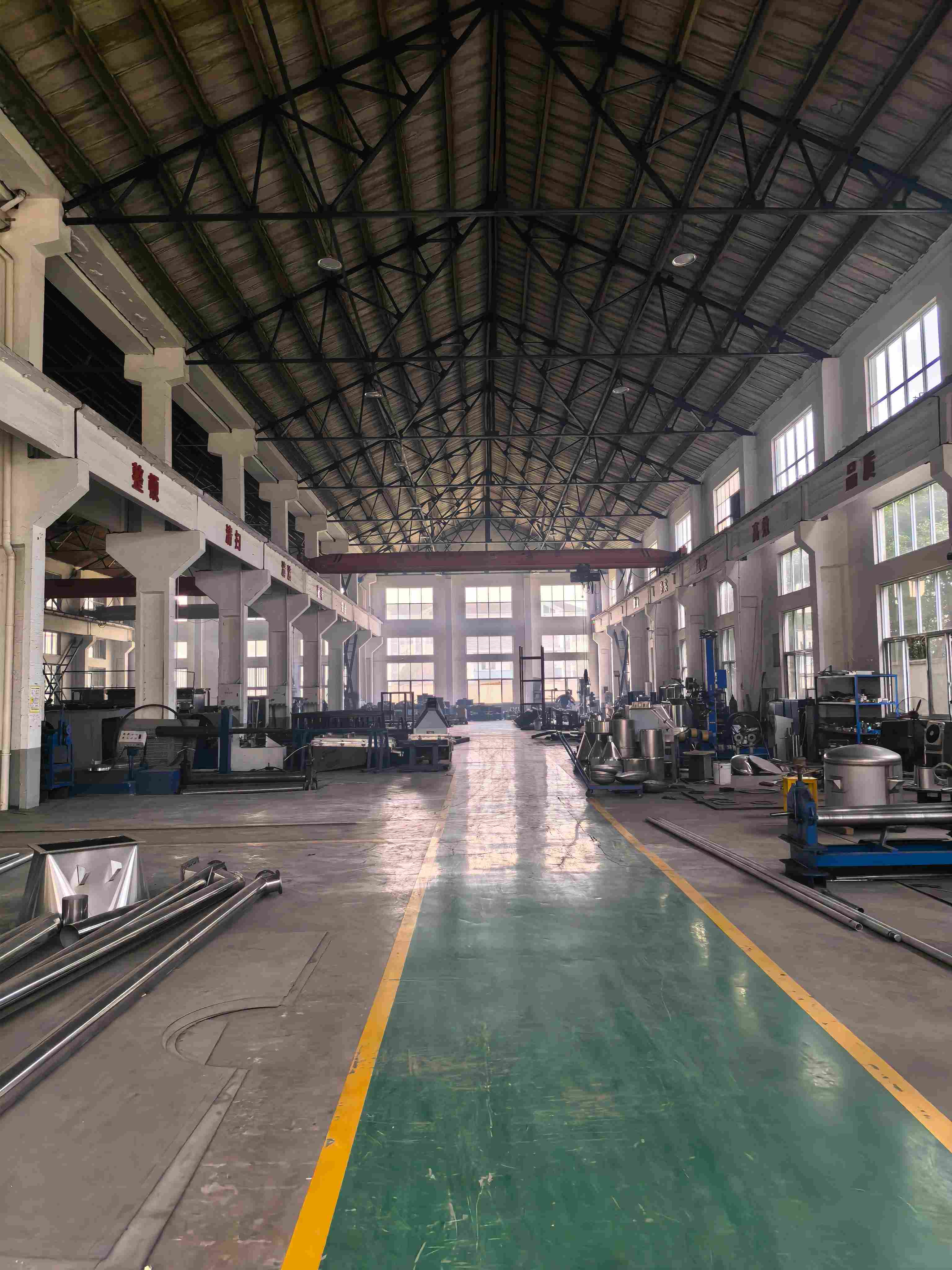
Overly standardized platforms often force businesses into rigid workflows that stifle creativity and slow down adaptation. When every tool must conform to a single vendor's vision, teams lose the flexibility to pick the best solutions for their unique needs. A smarter approach integrates specialized applications through open APIs and lightweight middleware, letting each component excel at what it does best while still sharing data seamlessly.
This modular strategy pays off as your organization evolves. Instead of being locked into a monolithic upgrade cycle, you can swap out or enhance individual pieces without disrupting the whole ecosystem. It fosters innovation at the edges, encourages experimentation, and ensures your tech stack remains as dynamic as the market demands—all while keeping integration costs remarkably low compared to bespoke, all-in-one builds.
Turning Material Flow Into a Competitive Advantage
Most operations treat material movement as a cost to minimize—a series of forklifts, conveyors, and replenishment runs. But when you look deeper, the flow of physical goods through a facility mirrors data traffic in a network. Choosing the right routing, allocating buffer capacity at critical intersections, and synchronizing velocity across nodes turns material flow into a strategic lever. It’s not about cutting corners; it’s about designing a system where raw materials arrive precisely when needed, work-in-process never stalls, and finished goods exit without bottlenecks. That discipline consistently shaves days off lead times and unlocks hidden throughput.
The real advantage comes from treating upstream variability as something to absorb, not just react to. Instead of chasing every disruption with expediting, top performers pre-position capacity at points where demand patterns flicker. They use dynamic kanban loops, adaptive cross-docking, and real-time load balancing that make the facility behave like a self-regulating organism. The result? Suddenly, your production schedule isn’t at the mercy of a late truck or a spike in order volume. Your flow absorbs the shock and keeps moving.
Competitors often overlook the power of connecting flow design directly to customer promises. By mapping the physical journey of a product against delivery commitments, you can intentionally shape flow to boost reliability. That might mean rearranging drop zones or rethinking batch sizes to align dispatch rhythms with actual demand pulses. When done right, material velocity becomes a differentiator in your market—clients notice the consistency, and your margins widen as firefighting costs evaporate. It’s a quiet transformation that shifts fulfillment from a perpetual headache into a core strength.
Overcoming Space Constraints Without Sacrificing Speed
When every square foot counts, the instinct might be to cram things in, but that often creates bottlenecks. We redesigned the layout with a focus on smooth movement paths, positioning frequently accessed tools and materials within arm's reach of the main work zones. By using vertical storage and modular, wheeled workstations, we kept the floor open yet everything essential was right where it needed to be, cutting down unnecessary walking and reaching.
A compact space shouldn’t mean a chaotic one. We assigned clear, dedicated spots for every item and introduced a simple visual cue system—color-coded bins and shadow boards—so anyone can instantly locate or return something. This made restocking and retrieval almost instinctive, saving time that was once lost to searching. Instead of adding steps, we eliminated them, proving that smart organization is a force multiplier for efficiency in small footprints.
To keep pace without room to expand, we looked at the process flow rather than physical expansion. By rearranging tasks to happen in parallel where possible and refining the order of operations, we unlocked hidden capacity. Small tweaks like pre-staging materials during idle minutes and adjusting work heights reduced strain and sped up hand-offs. The real breakthrough was realizing that speed isn't about more room—it's about removing friction so movement becomes seamless, no matter the size of the space.
The Hidden Costs of Inefficient Handling (and How to Avoid Them)
It starts with a small inefficiency—a packer reaching too far for a box, a forklift taking an extra loop through the warehouse. These moments feel trivial in isolation, but multiply them across a hundred shifts a month and the true cost emerges. Not in the overtime budget you already track, but in the worn-out joints that lead to workers’ comp claims, the scuffed products that get returned, the delayed shipments that chip away at customer trust. Inefficient handling rarely shows up as a line item; it creeps in as a slow drain on productivity and morale.
Another hidden toll is the subtle erosion of team spirit. When workflows are disjointed, employees improvise just to keep things moving. They know the ‘right’ way is too slow or cumbersome, so they cut corners. That breeds a culture of frustration—and a quiet resignation that management doesn’t care. High turnover soon follows, carrying its own hefty price tag in recruiting and training. Meanwhile, the temporary fixes pile up, creating an invisible layer of operational debt that’s painfully hard to untangle later.
Avoiding these pitfalls starts with a willingness to watch and listen. Walk the floor at different times of day, note where you see hesitation or double-handling, and ask the people doing the work what would actually help. Often, it’s low-tech adjustments: repositioning supplies, shortening travel paths, or allowing a few minutes for a stretch break. When you treat smooth handling as a shared goal rather than a top-down mandate, you stop paying that hidden toll—and the savings tend to ripple out in ways you never expected.
Real-World Examples Where Custom Conveying Changed the Game
Baked goods have a way of revealing every flaw in a standard conveyor. One artisan bakery struggled with crescent-shaped pastries that would slide, jam, or crumble on flat belts. A custom-designed conveyor with gentle-grip surface modules and adjustable side guides turned chaos into order—keeping delicate pastries perfectly aligned through cooling tunnels without a single lost croissant. The result was a 40% drop in product waste and a line that finally kept pace with ovens.
A medical device manufacturer faced a different kind of puzzle: moving blood analysis cartridges through a cleanroom where even microscopic vibrations could corrupt sensitive coatings. Their custom conveying solution used ultra-smooth, low-friction belts with embedded position sensors, paired with a vibration-dampening frame that isolated each carrier. Production yields jumped overnight because the cartridges arrived at inspection stations without the nanoscale scuffs that previously caused rejects.
In a bustling e-commerce fulfillment hub, an oddly shaped returns chute was creating a bottleneck until engineers built a custom spiral conveyor that could snake up three floors within a footprint no wider than a pallet. They wove in bidirectional flow and automatic sortation gates. What used to take twelve manual handlers and endless backtracking now happens automatically in one continuous motion—turning a chaotic pile into a competitive edge.
FAQ
We design and implement a wide range of conveying solutions, including belt conveyors, roller conveyors, chain conveyors, and overhead systems. Each is tailored to the specific material, throughput, and layout of your facility.
Our engineering team uses advanced 3D modeling to simulate material flow and identifies bottlenecks before installation. We also integrate smart sensors and controls that adjust speed and routing in real time.
Absolutely. We customize conveyor surfaces, guides, and transitions to protect delicate items and accommodate odd shapes. From cushioned belts to adjustable side rails, we minimize damage and jams.
We have extensive experience in food and beverage, pharmaceuticals, automotive, e-commerce, and manufacturing. Each sector benefits from our hygienic designs, clean-in-place options, or heavy-duty builds as required.
We offer proactive maintenance contracts with scheduled inspections and 24/7 remote monitoring. Our support team provides rapid on-site repairs and stocks critical spare parts to minimize downtime.
Every system is engineered to order, blending standard components with custom fabrications. We focus on energy efficiency, quiet operation, and modularity so you can easily expand or reconfigure as your needs change.
Yes, we manage the entire process from initial consultation to commissioning. Our crews handle installation, and we provide comprehensive operator training and documentation to ensure a smooth handover.
Safety is integrated into every design, with guarding, emergency stops, and risk assessments as standard. We stay current with OSHA and local standards, and can provide documentation for audits.
Conclusion
Every production floor has its own rhythm, and forcing a generic conveyor layout onto a unique workflow often throttles throughput before it even begins. That is why truly effective material handling starts with a system designed from the inside out—shaped by the way your teams move, pack, sort, and ship. Instead of bolting together off-the-shelf modules that demand compromise, a supplier who listens first can engineer belt paths, transfer points, and accumulation zones that mirror real operational logic. Pair that mechanical precision with intelligent controls, and you get more than just automation: you create a dynamic network where sensors, sorters, and software share a language. This kind of deep integration turns the flow of goods into a strategic lever, allowing you to adapt quickly when product lines shift or demand spikes. The moment material movement becomes a driver of speed and accuracy rather than a fixed overhead, it evolves into a quiet but powerful competitive edge.
Space has always been the quiet adversary in logistics, yet tight floor plans do not have to mean slow transfers. Clever vertical stacking, spiraling elevators, and low-profile conveyors can thread material through cramped zones without losing pace. The real threat, however, is the accumulation of small inefficiencies—unnoticed jams, excessive manual touchpoints, or equipment that guzzles energy while idling. These bleed margins over months and years. Addressing them early with a custom solution changes the economics of the entire facility. We have seen operations where re-engineering a single transfer point slashed damage claims by half, and others where a modular, high-speed loop tripled picking rates without adding square footage. Concrete shifts like these underline a simple truth: when the handling equipment is built around the challenges you actually face, the line between cost center and profit engine becomes surprisingly thin.
Contact Us
Contact Person: Darye WANG
Email: [email protected]
Tel/WhatsApp: 86-13501017897
Website: https://www.fcntd.com/